
Habitability Science
- Home
- Habitability Science
Habitability Science: Conditions for Life Beyond Earth
Habitability science studies the physical, chemical, and environmental conditions that allow life to exist on planets and moons. This field examines factors such as temperature, water availability, atmospheric composition, and energy sources. Scientists evaluate how radiation and planetary stability affect long-term habitability. Research also explores habitable zones around stars and subsurface environments. Comparative planet studies help identify potentially life-supporting worlds. Advanced models simulate environmental sustainability over time. Habitability science guides the search for life beyond Earth.
Habitability science also investigates the role of planetary geology and magnetic fields in maintaining stable environments. Geological activity can regulate atmospheric composition and surface conditions, while magnetic fields help shield planets from harmful cosmic radiation. These factors are essential in preserving conditions that support long-term biological processes.
At Kingjims Spacetex, insights from habitability research contribute to the development of advanced materials and systems designed for exploration in diverse planetary environments. By creating solutions that can withstand extreme conditions while maintaining stability and performance, the organization supports future missions aimed at identifying and studying potentially habitable worlds.
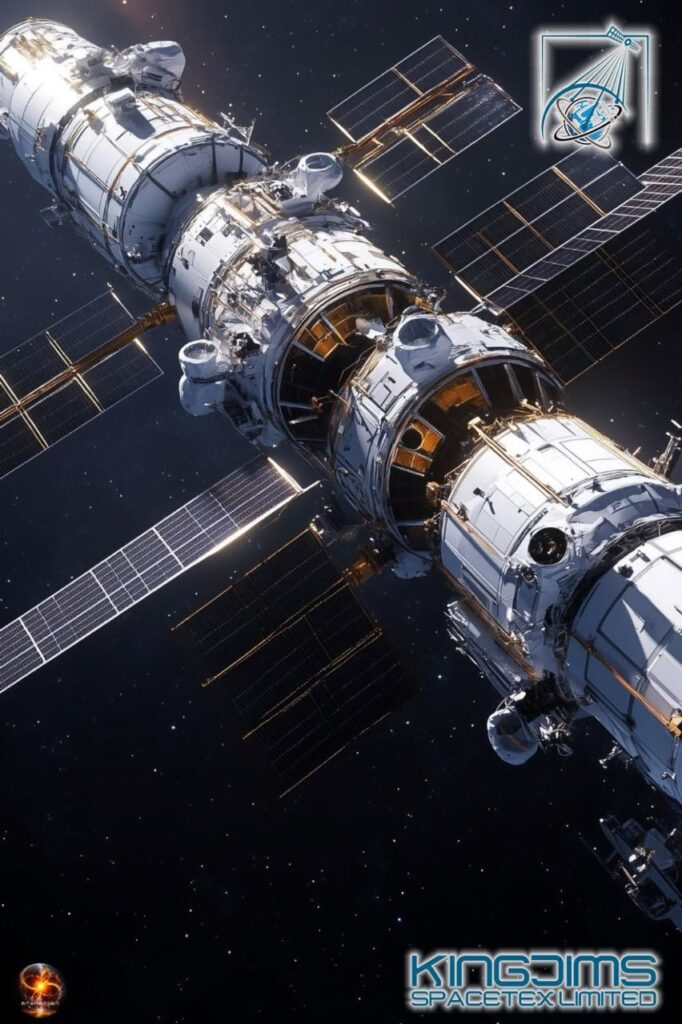
Evaluating Life-Supporting Environments
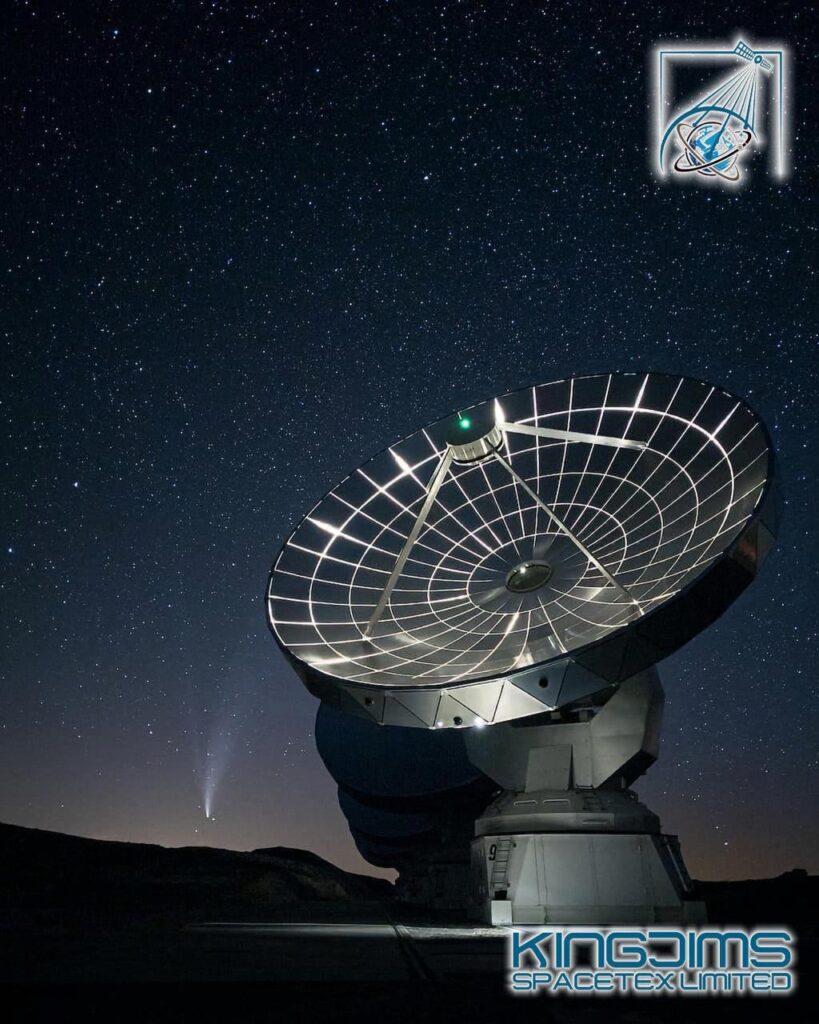
Habitability science focuses on assessing environments that can sustain life over long periods. Researchers study the presence of liquid water, stable climates, and suitable atmospheric conditions. Energy availability from stars or geological activity is closely examined. The impact of radiation and magnetic protection is also considered. Scientists analyze surface and subsurface habitats for biological potential. Climate modeling helps predict long-term environmental stability. These evaluations guide the identification of worlds capable of supporting life.
At Kingjims Spacetex, findings from habitability science support the development of advanced materials and technologies designed for stable and controlled operation in diverse planetary environments. By ensuring durability, environmental resistance, and precision performance, these innovations contribute to reliable exploration systems used in the search for life-supporting conditions beyond Earth.
Ongoing advancements in observational technology and data analysis continue to refine habitability assessments across distant planetary systems. High-resolution instruments and improved modeling techniques allow scientists to better evaluate atmospheric composition, surface conditions, and potential biosignatures, strengthening the accuracy of identifying environments that may support life beyond Earth.