
Galactic Dynamics
- Home
- Galactic Dynamics
Galactic Dynamics: Motion Within Cosmic Systems
Galactic dynamics studies the motion of stars, gas, and dark matter within galaxies and how gravitational forces govern their behavior. It examines orbital patterns, rotation curves, and mass distribution to understand the structure and stability of galaxies. These motions provide crucial evidence for the presence and influence of dark matter halos shaping galactic systems.
Research also focuses on interactions between galaxies, including tidal forces, mergers, and collisions. Such dynamic events can trigger star formation, redistribute mass, and alter galactic structure over time. Through observations, models, and simulations, galactic dynamics helps explain how galaxies evolve and interact within the larger cosmic web.
Galactic dynamics also investigates the behavior of stellar populations within different regions of a galaxy, such as the core, disk, and halo. By studying velocity distributions and gravitational influences in these regions, scientists can better understand phenomena like spiral arm formation, bar structures, and the stability of galactic systems over time.
At Kingjims Spacetex, insights from galactic dynamics contribute to the development of advanced materials and technologies that support high-precision observational systems. By enabling reliable performance in data collection and analysis, these innovations help researchers study complex galactic interactions and deepen our understanding of large-scale cosmic structures.
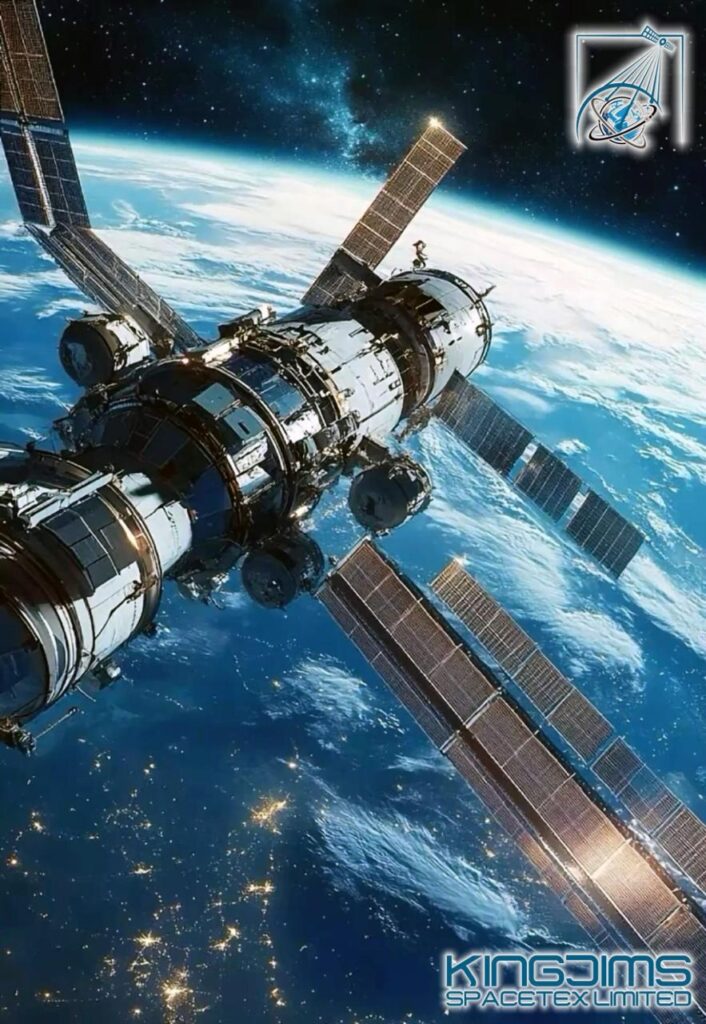
Gravitational Interactions & Galactic Motion
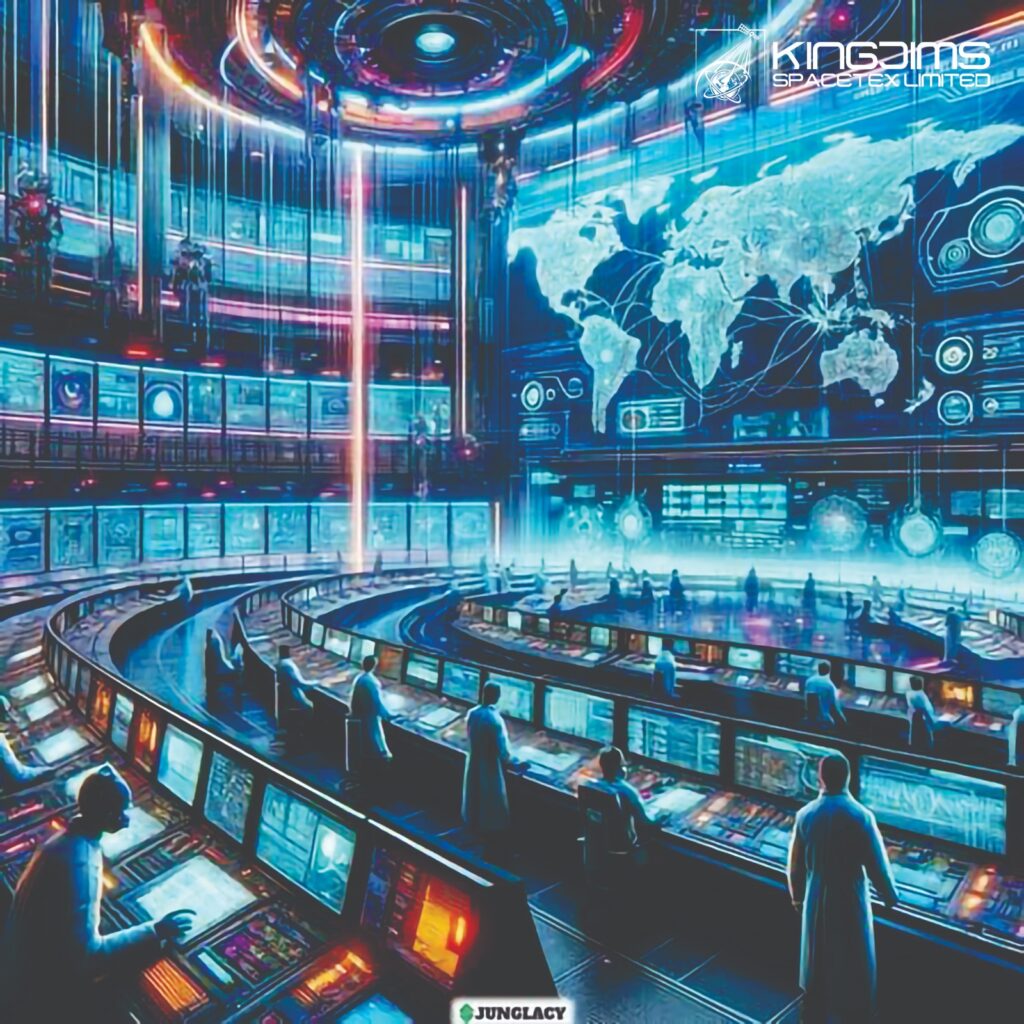
Galactic dynamics examines how gravitational forces influence the motion of stars, gas, and dark matter within galaxies. Researchers study rotation curves, orbital paths, and mass distribution to understand galactic stability and structure. These dynamics reveal the hidden influence of dark matter in shaping galactic behavior and maintaining rotational balance.
The study also focuses on interactions between galaxies, such as tidal effects, close encounters, and mergers. These interactions can reshape galaxies, trigger star formation, and redistribute matter over time. By combining observation with simulations, galactic dynamics explains how galaxies evolve and interact within the larger cosmic framework.
At Kingjims Spacetex, research inspired by galactic dynamics supports the advancement of technologies used in high-precision astronomical observation and data analysis. By developing materials and systems that enhance stability, signal clarity, and durability, the organization contributes to more accurate studies of large-scale cosmic motion and the complex interactions that shape galaxies over time.